Introduction: Why Offshore Wind Now Matters More Than Ever
Why are governments investing billions of dollars in wind farms far out at sea? Why are energy companies moving offshore, even though building in the ocean is far more complex than on land?
The answer lies in scale, reliability, and long-term energy security.
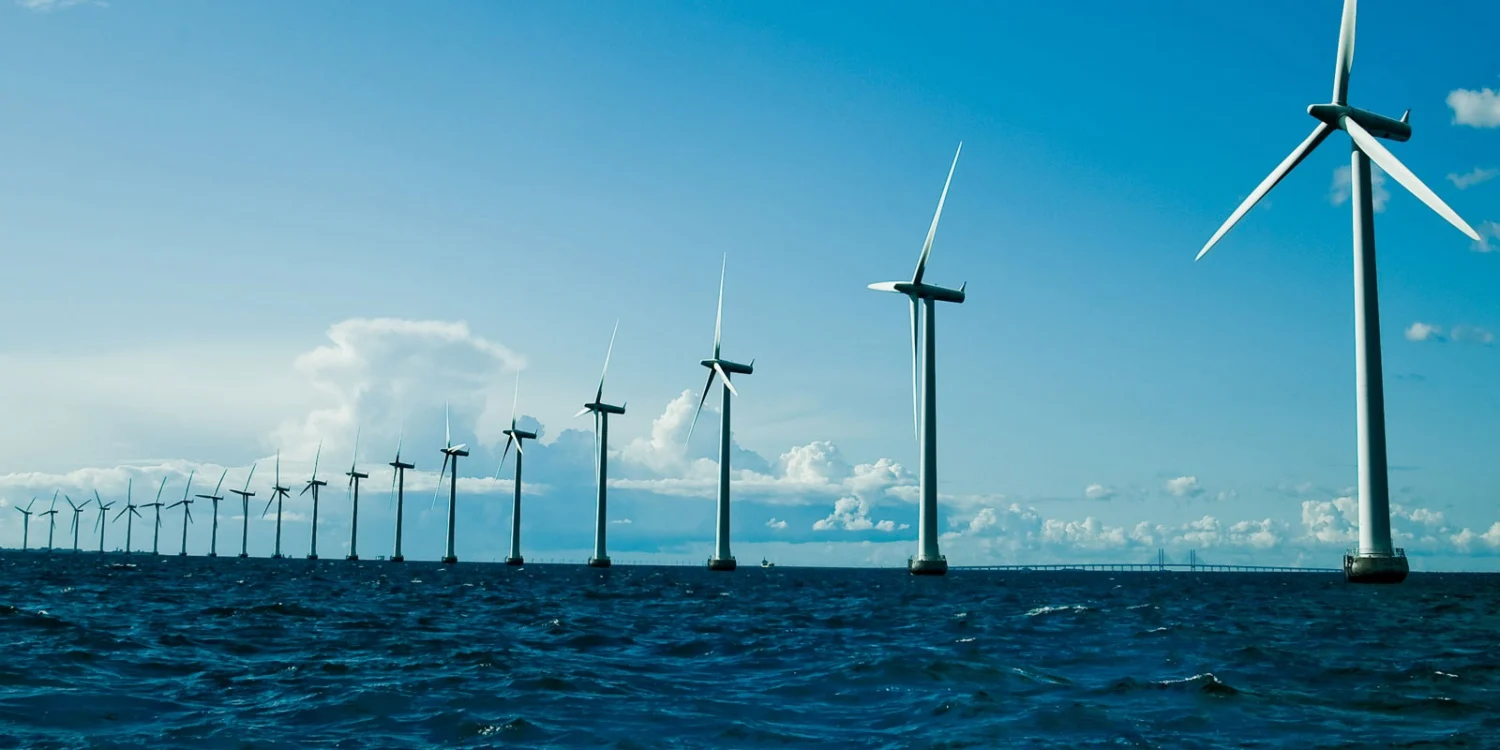
Offshore wind energy has rapidly shifted from a niche experiment to one of the most strategic pillars of the global clean energy transition. Today, massive wind turbines installed in oceans and deep waters are generating electricity for entire cities, supporting national climate targets, and reshaping how countries think about their future power systems.
Offshore wind projects are developed primarily by governments, utilities, and private investors to meet growing electricity demand while reducing dependence on fossil fuels. Stronger and more consistent winds at sea allow offshore turbines to produce more power than their onshore counterparts, making offshore wind especially attractive for densely populated and industrialized regions.
What makes offshore wind especially important right now is timing. As countries face rising energy demand, climate pressure, and concerns over energy independence, offshore wind offers a solution that is scalable, domestic, and increasingly cost-competitive. From Europe’s mature offshore wind markets to emerging projects in the United States and Asia, momentum is accelerating.
This article explains what offshore wind energy is, how offshore wind farms work, where the world’s largest projects are located, how much offshore wind really costs, and what the future holds for this rapidly expanding industry. Whether you are a policymaker, investor, energy professional, or simply curious about renewable energy, this article serves as a complete, easy-to-understand reference for offshore wind energy today
Table of Contents
What Is Offshore Wind Energy?
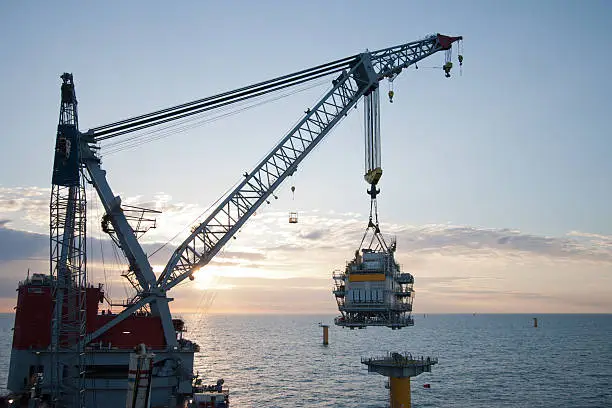
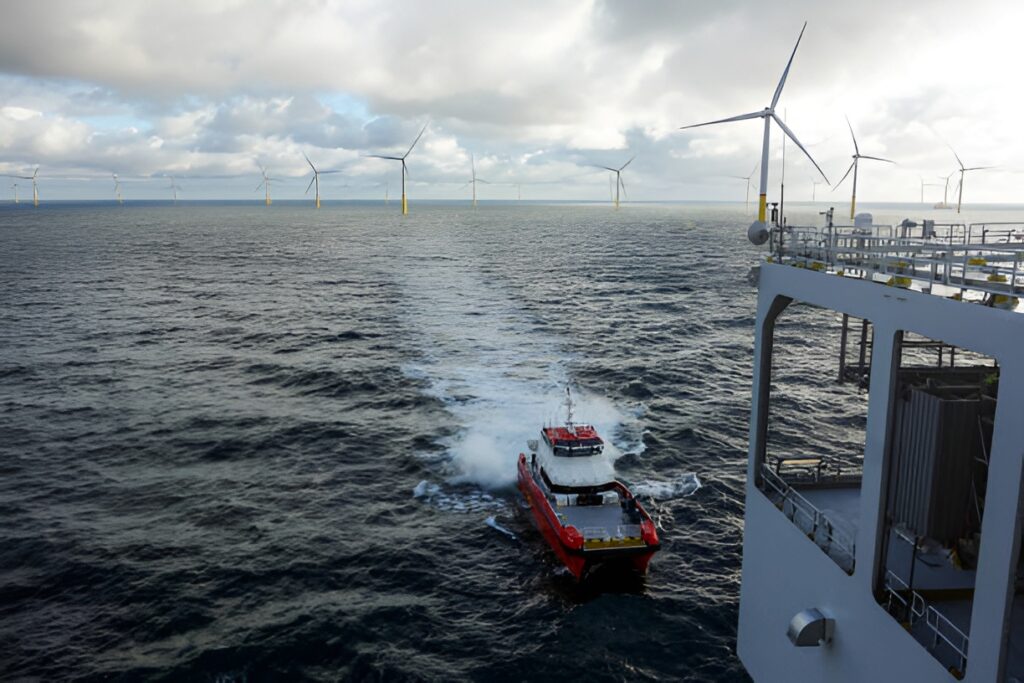
Offshore wind energy refers to electricity generated by wind turbines installed in seas or oceans, typically on the continental shelf or in deeper waters using floating foundations.
Unlike onshore wind farms, offshore turbines benefit from:
- Stronger and more consistent wind speeds
- Fewer land-use conflicts
- The ability to scale projects to utility-level capacity
Electricity produced offshore is transmitted to shore through subsea cables and fed directly into national grids.
For readers new to wind power, our explainer on how wind energy works and converts wind into electricity provides a clear breakdown of turbines, generators, and grid connections before moving offshore.
How Offshore Wind Farms Work
An offshore wind farm operates through a carefully coordinated, multi-stage system designed to generate and transmit electricity safely from sea to shore.
- Wind Capture
Large turbine blades rotate as offshore winds pass over them. Offshore winds are typically stronger and steadier than on land, increasing energy output.
2. Electricity Generation
The rotating blades drive a generator inside the nacelle, converting mechanical energy into electricity.
3. Offshore Substations
Electricity from multiple turbines is collected and routed to an offshore substation, where voltage is increased to reduce transmission losses.
4. Subsea Export Cables
High-voltage cables carry electricity from the offshore substation to land, sometimes over distances exceeding 100 kilometers.
5. Grid Connection
Onshore substations integrate offshore wind power into the national electricity grid for distribution to homes, businesses, and industry.
Fixed-Bottom vs Floating Offshore Wind Turbines
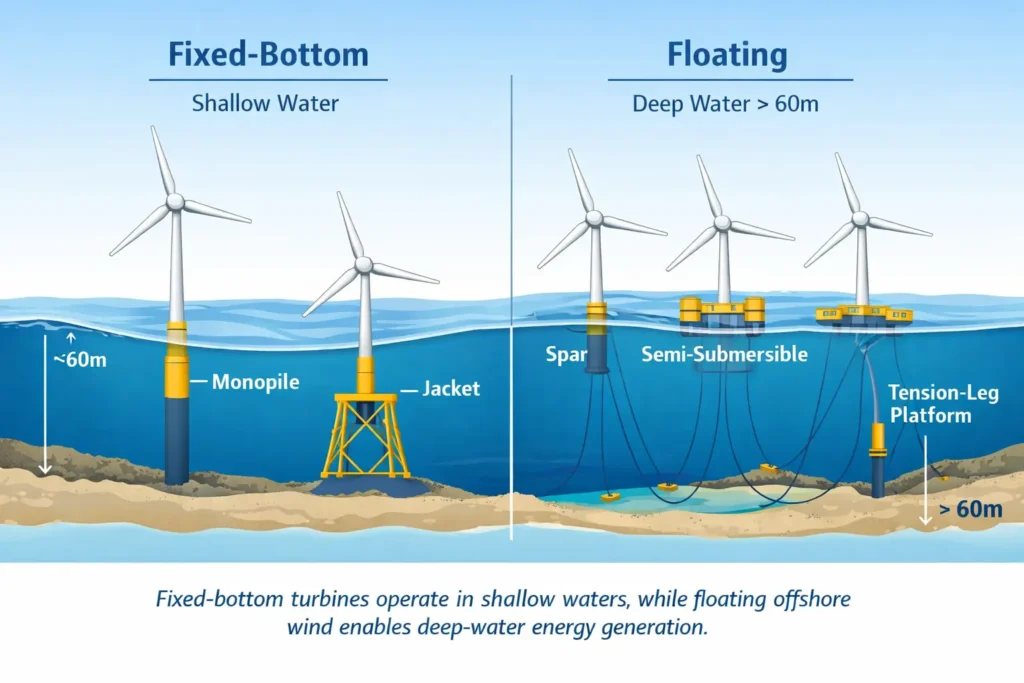
Offshore wind technology is generally divided into two categories, based on water depth.
Fixed-Bottom Offshore Wind
Fixed-bottom turbines are anchored directly to the seabed using monopiles, jacket structures, or gravity-based foundations. They are typically deployed in waters up to 50–60 meters deep.
This technology powered the first generation of offshore wind projects and continues to dominate mature markets today.
A historic example is the Blyth Offshore Wind Farm in the United Kingdom, which marked the world’s first offshore wind installation and laid the groundwork for the UK’s rise as a global offshore leader. You can explore how Blyth shaped the industry in our feature on the UK’s offshore wind journey and early projects.
Fixed-bottom offshore wind remains critical in regions with shallow continental shelves, including:
- The North Sea
- Parts of China’s eastern coastline
- The U.S. Atlantic coast
Floating Offshore Wind
Floating offshore wind uses platforms anchored to the seabed with mooring lines, allowing turbines to operate in deep waters far beyond the reach of fixed foundations.
This technology unlocks vast wind resources off coastlines with steep drop-offs, including:
- The U.S. West Coast
- Japan and South Korea
- Southern Europe
Floating offshore wind relies on advanced platform designs and mooring systems, which are explained in detail in our guide to floating offshore wind technology.
Why Offshore Wind Is Growing So Fast
Offshore wind has become one of the fastest-growing energy sectors globally, driven by a combination of performance advantages, strategic value, and policy support.
Higher Energy Output
Offshore turbines capture stronger, more consistent winds, generating significantly more electricity per turbine than onshore installations. This maximizes energy yield while reducing pressure on land use.
Energy Security
Countries with limited fossil fuel reserves see offshore wind as a way to:
- Reduce fuel imports
- Stabilize electricity prices
- Strengthen national energy independence
The European Commission highlights offshore wind as a strategic asset for reducing reliance on imported fossil fuels and strengthening energy security across the EU.
Climate Commitments
Offshore wind plays a central role in national decarbonization plans. Large-scale offshore projects support long-term climate roadmaps aimed at achieving high shares of renewable electricity across Europe, Asia, and North America.
Global Offshore Wind Leaders
United Kingdom
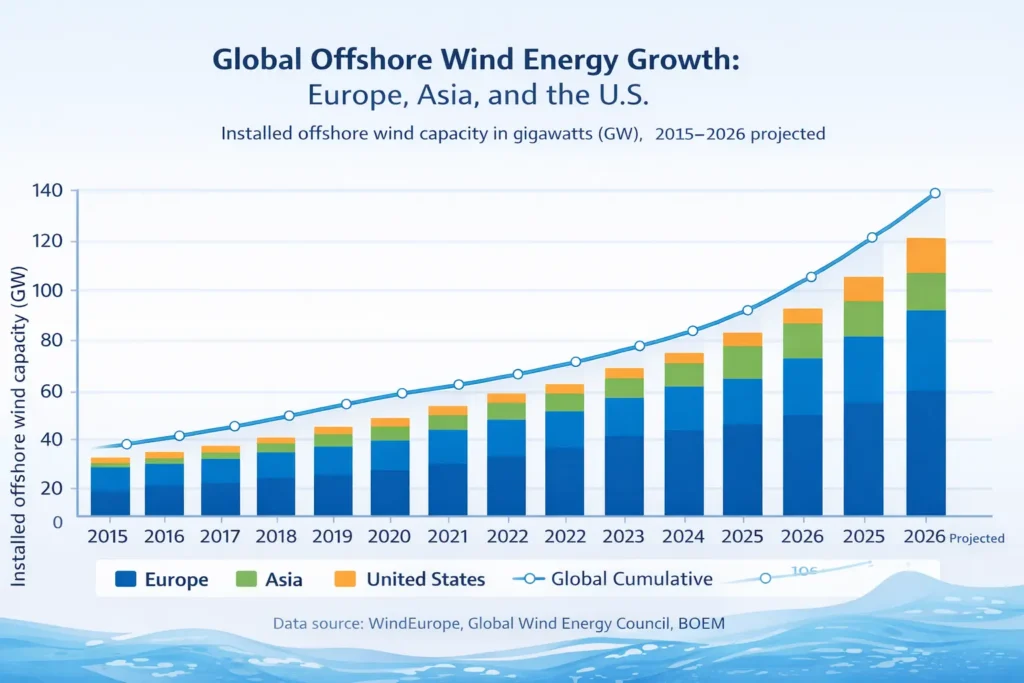
The UK is the undisputed global leader in offshore wind, with:
- The world’s largest installed capacity
- A mature supply chain
- Specialized offshore ports and vessels
Government-backed sector deals position offshore wind as a cornerstone of long-term industrial growth.
China
China has rapidly expanded offshore wind along its eastern coastline, driven by industrial scale and strong domestic manufacturing capacity. It now rivals Europe in annual installations and continues to push turbine size and deployment speed.
United States
The U.S. offshore wind sector is emerging as one of the most closely watched markets globally, driven primarily by federal-level policy support rather than isolated projects.
Government policy remains a decisive factor in offshore wind growth. Key support mechanisms include:
- Long-term power purchase agreements
- Competitive offshore wind auctions
- Grid connection guarantees
- Domestic manufacturing incentives
In the United States, offshore wind development is shaped by federal leasing programs and long-term planning. The Bureau of Ocean Energy Management (BOEM) manages offshore wind lease auctions and environmental reviews, providing the regulatory certainty needed for multi-billion-dollar investments.
This policy-first approach helps explain why offshore wind continues to attract long-term capital in the U.S., even as individual projects face permitting, grid, or cost challenges—topics we cover regularly in our U.S. offshore wind news and project analysis.
Offshore Wind Costs and Economics
Offshore wind was once considered prohibitively expensive, but costs have declined steadily due to:
- Larger turbines produce more power
- Economies of scale from multi-gigawatt projects
- Competitive government auctions
- Improved installation vessels and supply chains
While floating offshore wind remains more expensive than fixed-bottom projects, costs are expected to fall as commercial-scale deployment increases. Long-term power purchase agreements and stable policy frameworks have made offshore wind increasingly attractive to institutional investors.
Offshore wind supports a broad industrial ecosystem beyond turbines at sea, including:
- Blade and nacelle manufacturing
- Foundation fabrication
- Subsea cable production
- Offshore installation vessels
- Operations and maintenance services
For a detailed look at how these components come together to form a resilient U.S. offshore wind supply chain, see our Offshore Wind Supply Chain article. This guide explains port readiness, turbine component manufacturing, logistics strategies, and how supply chain resilience underpins successful offshore wind projects.
According to the International Renewable Energy Agency (IRENA), offshore wind supports more jobs per megawatt than fossil-fuel power generation, particularly in coastal regions.
As discussed in our coverage of wind energy jobs and technician roles, offshore wind creates long-term employment opportunities requiring specialized engineering, maritime, and electrical skills.
Policy Support and Investment Momentum
Government policy remains a decisive factor in offshore wind deployment worldwide.
Key support mechanisms include:
- Long-term power purchase agreements
- Competitive offshore wind auctions
- Grid connection guarantees
- Domestic manufacturing incentives
Policy-backed projects, such as large public-sector renewable contracts in emerging markets, demonstrate how structured frameworks de-risk investment and accelerate deployment.
Environmental and Economic Impact
Offshore wind delivers benefits beyond clean electricity, including:
- Large-scale carbon emissions reduction
- Revitalization of port cities and coastal economies
- Long-term electricity price stability
Modern offshore projects incorporate advanced environmental planning, including marine biodiversity monitoring and noise-reduction technologies during installation.
Organizations such as the World Wide Fund for Nature (WWF) emphasize that responsible offshore wind development can coexist with marine ecosystems when properly planned.
Challenges Facing Offshore Wind
Despite rapid growth, offshore wind faces several challenges:
- High upfront capital costs
- Supply chain constraints
- Grid connection delays
- Lengthy permitting and environmental reviews
- Inflation and rising interest rates
These challenges do not undermine offshore wind’s long-term role but highlight the need for coordinated policy, infrastructure investment, and supply chain expansion.
What Comes Next for Offshore Wind?
The next phase of offshore wind development will be defined by:
- Commercial-scale floating wind farms
- Turbines exceeding 20 MW capacity
- Offshore energy hubs integrating wind, storage, and green hydrogen
- AI-driven predictive maintenance and smart grid integration
We explore how artificial intelligence is already transforming turbine performance and reliability in our coverage of AI in wind turbine optimization.
Offshore Wind Is No Longer Optional
Offshore wind energy has evolved from early pilot projects into one of the most powerful tools available for meeting climate goals, strengthening energy security, and building resilient clean economies.
From fixed-bottom farms in shallow seas to floating turbines in deep waters, offshore wind represents the next frontier of renewable energy.
As technology, investment, and policy continue to align, offshore wind is no longer optional—it is foundational.
For ongoing updates, project analysis, and industry insights, explore our Offshore Wind section on WindNewsToday, where global wind energy developments come into focus.
FAQ
What is offshore wind energy?
Offshore wind energy uses wind turbines located in oceans or large water bodies to generate electricity.
What are the main types of offshore wind turbines?
Fixed-bottom turbines for shallow waters, floating turbines for deeper waters.
Which U.S. states lead in offshore wind projects?
Massachusetts, New York, Virginia, New Jersey, and Rhode Island.
What is the projected capacity of U.S. offshore wind by 2030?
Federal targets aim for 30 GW by 2030, with ~14 GW likely operational by then.
Why invest in offshore wind now?
Offshore wind offers carbon reduction, energy security, job creation, and long-term economic growth.