WindNewsToday

Ørsted Greater Changhua 2 Offshore Wind Farm: Why Cathay Life Partnership Strengthens Taiwan Projects

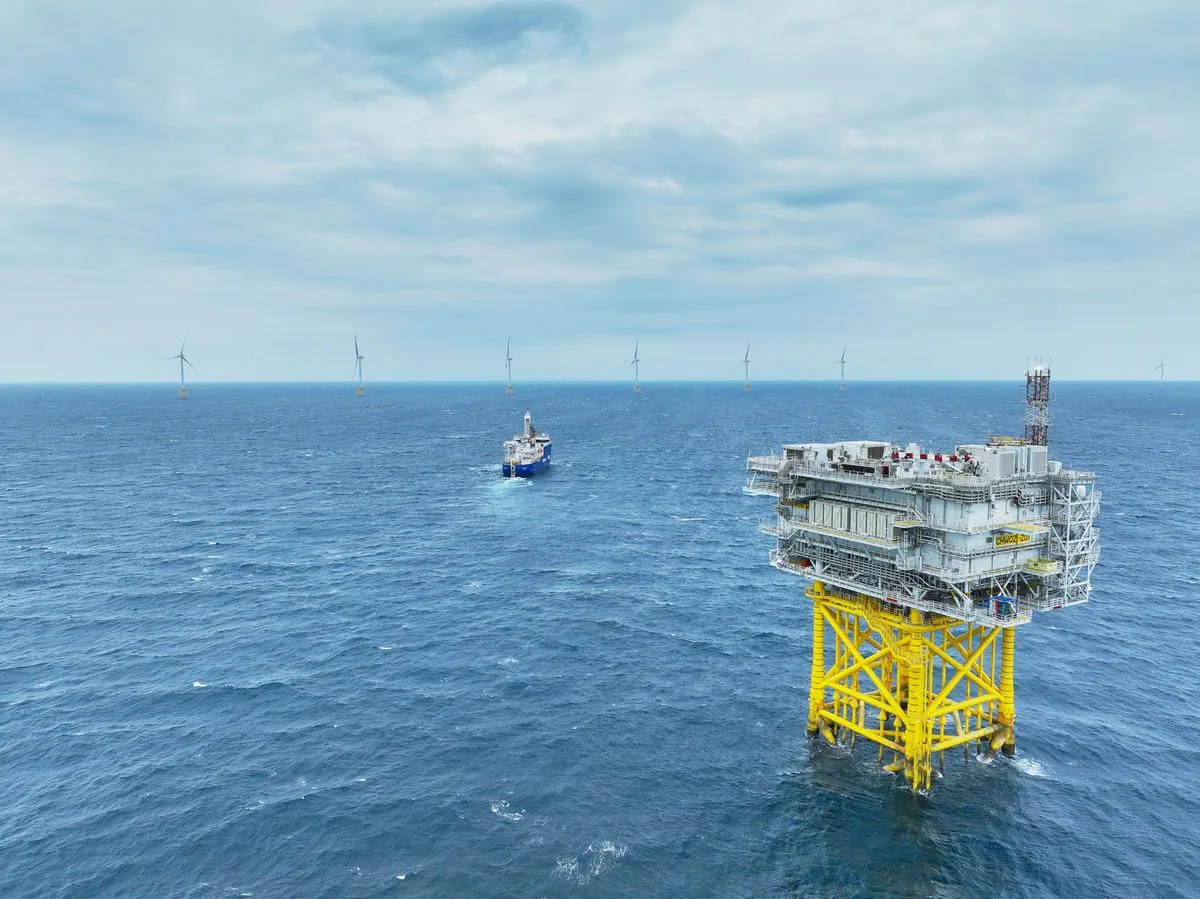
Ørsted Greater Changhua 2 Offshore Wind Farm located off the coast of Changhua County, Taiwan

The Ørsted Greater Changhua 2 Offshore Wind Farm has secured a 55% ownership stake investment from Cathay Life Insurance, Taiwan’s largest insurer, highlighting the country’s expanding offshore wind sector. Located approximately 50–60 km off the coast of Changhua County, the project includes the operational Greater Changhua 2a and the under-construction Greater Changhua 2b, with full commercial operation expected in 2026. This partnership represents a significant step in Taiwan’s clean energy transition and the growing role of institutional investors in offshore wind development.

Overview of the Ørsted Greater Changhua 2 Offshore Wind Farm

The Greater Changhua 2 Offshore Wind Farm has a combined capacity of 632 MW, making it one of Taiwan’s key offshore wind projects. Ørsted will continue to provide long-term operations and maintenance (O&M) from its hub at the Port of Taichung, ensuring project reliability.

The project consists of:

  • Greater Changhua 2a – 295 MW, already operational
  • Greater Changhua 2b – 337 MW, under construction, commissioning expected in Q3 2026. According to Ørsted’s press release, the 2b phase is scheduled to be commissioned in Q3 2026.

In July 2025, Ørsted finalized a DKK 20 billion project financing package, and the sale of a 55% equity stake to Cathay is valued at approximately DKK 11 billion (TWD 55 billion). This highlights both the financial viability and investor confidence in Taiwan’s offshore wind sector.

Ørsted Cathay Life Partnership in Taiwan Offshore Wind

The Ørsted Cathay Life partnership builds on previous collaborations, including Greater Changhua 1 and 4. By selling a 55% stake, Ørsted strengthens its capital structure while providing Cathay Life with a stable, long-term infrastructure-backed investment.

Trond Westlie, Ørsted CFO, commented:

Trond Westlie, Ørsted CFO, discussing the Greater Changhua 2 Offshore Wind Farm partnership with Cathay Life
Trond Westlie, Ørsted CFO, speaking about the Greater Changhua 2 Offshore Wind Farm partnership. Image: LinkedIn

“The transaction underlines the strong appetite from leading investors for high-quality assets with long-term offtake agreements. Combined with project financing, this deal strengthens our capital structure and contributes significantly to our partnership and divestment program.”

Andrew Liu, President of Cathay Life Insurance, said:

“This investment reflects our continued support for Taiwan’s renewable energy transition while generating stable, long-term returns aligned with the investment objectives of the insurance sector.”

Strategic Timing: Why the Transaction Closes in 2026

The deal will close when the project reaches commercial operations in Q3 2026, which is critical because:

  • Construction risk is reduced
  • Revenue streams are secured
  • Financing conditions improve
  • Investor confidence increases

This structure benefits both parties:

  • Ørsted avoids early-stage risk exposure
  • Cathay enters a stabilized asset phase

Impacts on Taiwan Offshore Wind Investment

The Greater Changhua offshore wind project demonstrates how Taiwan is increasingly attracting institutional investors to its renewable energy sector. By partnering with international developers like Ørsted, local investors can participate in high-quality offshore wind projects while reducing project risk.

Shared ownership models like this accelerate the construction of Taiwan’s offshore wind projects, provide financial flexibility to developers, and support the country’s goal to increase renewable energy capacity in the coming years.

Future Outlook for Offshore Wind Investment in Taiwan

As Taiwan scales up its offshore wind sector, offshore wind investment in Taiwan is expected to grow. Partnerships between global developers and local financial institutions, such as Ørsted and Cathay Life, create a model for financing and operating future projects efficiently.

Per Mejnert Kristensen, Ørsted SVP and CEO of Region APAC, stated:

“We’re pleased to deepen our long-standing partnership with Cathay as we advance Taiwan’s offshore wind build-out. This investment reflects shared confidence in Taiwan’s offshore wind fundamentals and creates lasting value for investors and the local energy market.”

What This Means for Taiwan’s Offshore Wind Market

The Ørsted Greater Changhua 2 Offshore Wind Farm transaction highlights the value of strategic partnerships in Taiwan’s offshore wind sector. Ørsted retains operational control while freeing capital for future developments, and Cathay Life secures a resilient investment in a growing market. As this Taiwan offshore wind project progresses toward full commercial operation in 2026, it illustrates how collaborative ownership models are shaping the future of offshore wind investment in Taiwan.

Sources:

  • Ørsted Press Release: Greater Changhua 2 Offshore Wind Farm
  • Cathay Life Insurance News Release

PNE France Wins 10th Wind Tender, Securing Two New Onshore Project

PNE France 10th wind tender – Romescamps and Chéry onshore wind projects

PNE France has strengthened its position in the European onshore wind market after winning projects in France’s 10th national wind power tender. The company, through its subsidiary, secured approval for two onshore wind farms—Romscamps (10.8 MW) and Chery (10 MW)—marking another step forward in France’s renewable energy expansion.

The tender results reflect growing policy alignment between developers and regulators as France accelerates wind deployment to meet its climate and energy security targets. For the broader European wind sector, PNE France’s success highlights how competitive tenders continue to drive cost efficiency, innovation, and long-term market confidence amid evolving energy policies.

Why the 10th Wind Tender Matters for France’s Wind Market

France’s 10th onshore wind tender is part of the country’s broader renewable energy strategy under its multi-year energy program (PPE). The auction aimed to expand wind capacity while encouraging cost efficiency, technical optimization, and regulatory compliance among developers.

The competition was intense. Around 90 projects, representing more than 1.6 GW of potential capacity, competed for a government target of 925 MW. Ultimately, 42 projects were awarded contracts totaling 952.8 MW, underscoring France’s continued commitment to scaling onshore wind power.

The average awarded price of approximately €86.6 per megawatt-hour reflects a balance between maintaining investor confidence and controlling electricity costs for consumers, a key objective of France’s renewable energy policy

Inside PNE France’s 10th Wind Tender Win

The Romescamps wind farm will be developed in the Hauts-de-France region in northern France. The project will consist of three wind turbines with a combined capacity of 10.8 MW and is expected to be commissioned by 2027.

The Chéry wind farm will be located in the Centre-Val de Loire region. It will feature two turbines with a total installed capacity of 10 MW, with commissioning planned for 2029.

For both projects, PNE France optimized turbine selection and project layouts to improve efficiency, operational reliability, and long-term performance—factors that are increasingly critical in competitive tender processes.

PNE France wins two onshore wind projects in the 10th wind tender
Roland Stanze, image: PNE

Roland Stanze, the COO of PNE AG, said they were super happy about winning. He gave a shout-out to his team at PNE France for making the projects even better, which will help them make more clean energy and support France in reaching its climate goals.

We are very pleased to have been successful in this tender. First of all, thanks to the dedication of our colleagues at PNE France, we have been able to increase the efficiency of both projects. This success will help us deliver clean energy and support France’s climate goals.

Why the PNE France 10th Wind Tender Matters

Strengthening France’s renewable energy pipeline
France’s tender system continues to attract experienced European developers, signaling long-term policy stability and sustained investment in onshore wind.

Demonstrating technical and regulatory expertise
PNE France’s ability to upgrade projects within permitting frameworks illustrates how regulatory alignment and technical innovation can improve approval outcomes.

Reinforcing PNE’s market position
The successful tender reinforces PNE France’s role as a reliable developer in the French renewable energy market.

Supporting European climate targets
The projects contribute to the European Union’s 2030 renewable energy and emissions-reduction goals by increasing clean power generation and energy independence.

PNE’s Growing Success in France

The 10th wind tender win builds on PNE Group’s broader track record in France. In 2025, the company completed the sale of two onshore wind projects:

  • Clermont-en-Argonne (14.4 MW) in the Grand Est region, sold to JP Energie Environnement, with construction beginning in September 2025.
  • Genouillé (11.3 MW) in Nouvelle-Aquitaine, sold to Sorégies and operational since July 2025. PNE continues to manage the project through its Energy Consult France subsidiary.

According to Heiko Wuttke, CEO of PNE AG, these transactions demonstrate the company’s ability to develop, optimize, and deliver high-quality renewable energy assets.

France’s 10th Wind Tender: The Numbers

CategoryDetails
Tender Round 10th (PPE2 Onshore)
Total Capacity Awarded 952.8 MW
Projects Selected 42
Average Price €86.6/MWh
PNE Projects Approved 2 (Romescamps & Chéry)

PNE’s Broader Clean Energy Strategy in Europe

Beyond France, PNE continues to expand its renewable energy footprint across Europe through onshore wind, offshore wind, solar, and hybrid projects. The company’s clean energy solutions strategy emphasizes diversification and system stability.

Current strategic priorities include:

  • AI-enabled monitoring systems to improve turbine performance
  • Hybrid wind-solar projects to support grid resilience
  • Cross-border collaboration to accelerate EU-wide decarbonization

This approach positions PNE not only as a project developer, but as a long-term clean energy partner in Europe’s energy transition.

Industry Perspective

Energy market analysts view the outcome of France’s 10th wind tender as a sign of a maturing onshore wind market. Developers are increasingly focused on efficiency gains, technology upgrades, and regulatory adaptability rather than capacity expansion alone.

These trends are critical for maintaining momentum in Europe’s renewable energy transition amid supply-chain constraints and rising global competition.

Frequently Asked Questions—PNE France 10th Wind Tender

Q: What did PNE France win in the 10th Wind Tender?

A: PNE secures two onshore wind projects—Romescamps (10.8 MW) and Chéry (10 MW).

Q: When will these projects be in operation?

A: Romescamps is planned for2027, and Chéry is planned for 2029.

Q: What modifications are important?

A: They allowed PNE France to integrate wind turbine technology to promote efficiency and output.

Q: How much total energy was awarded?

A: France’s 10th Wind Tender awarded 952.8 MW across 42 projects.

£100m Belfast Wind Project Powers 3 Million Homes and Creates 300 Green Jobs

£100m Belfast Wind Creates 300 Jobs and Powers 3M UK Homes

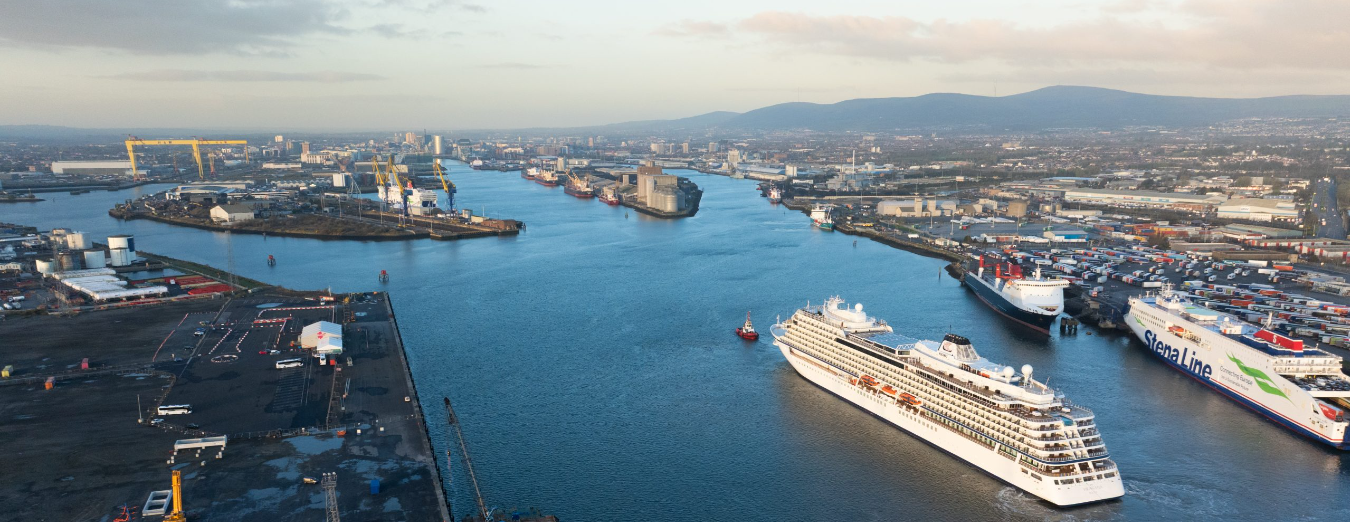
Belfast is set to become a major hub for the UK’s offshore wind industry with the £100 million Belfast Wind Project. EnBW and JERA Nex bp will transform Belfast Harbour into a central assembly and logistics hub for the Mona and Morgan Wind Farms in the Irish Sea.

The project will generate enough electricity to power three million UK homes and create 300 skilled green jobs, ranging from engineers and technicians to port operators and logistics specialists.

“This is more than a project. It’s a statement that Belfast is ready to lead the UK’s renewable energy future,” said Dr. Theresa Donaldson, Chair of Belfast Harbour.

By combining strategic infrastructure investment with renewable energy deployment, the Belfast Wind Project highlights the UK’s ongoing commitment to net-zero emissions, clean energy growth, and economic development.

Project Overview: Transforming Belfast Harbour

The £100 million Belfast Wind Project will upgrade the D1 terminal at Belfast Harbour to handle the assembly and marshalling of offshore wind turbines for the Mona and Morgan Wind Farms. Together, these projects could produce 3 GW of electricity, enough to power 3 million homes in the UK.

Project information:

FeatureDetails
Investment £100 million
Capacity3GW
Homes Powered3 million
Jobs created300 skilled green roles
LocationBelfast Harbour, Northern Ireland
Operational Goal2028
ImpactBoosts UK green jobs & clean energy

In addition to electricity generation, the project will enhance port infrastructure, strengthen regional supply chains, and contribute to Northern Ireland’s economy.

Leading Voices: Promoting the Green Energy Agenda

The agreement was hailed by UK Prime Minister Keir Starmer as a “major step forward” for the nation’s clean energy and UK green job creation goals.

“The £100 million Belfast Wind project shows that renewable energy can provide energy security and economic growth. It’s helping us achieve our net-zero goals and generating hundreds of skilled jobs,” he said.

JERA Nex bp CEO Nathalie Oosterlinck highlighted the broader advantages:

“This isn’t just about energy. It’s about empowering communities, creating sustainable jobs, and driving long-term economic growth through renewable technologies.”

The project demonstrates the value of cooperation in achieving the UK’s energy transition objectives and is an example of a successful partnership between the public and private sectors as well as local stakeholders.

Belfast Harbour: The New Nerve Center for Offshore Wind

Belfast Harbour’s really stepped up its game. It’s become a main hub for the UK’s offshore wind scene—think turbine assembly, logistics, and all the behind-the-scenes work that keeps those giant wind farms like Mona and Morgan running smoothly.

Here’s why Belfast stands out:

🏗️ The port’s deep waters mean it can handle the massive parts these turbines need.

⚙️ Local manufacturers and service crews get a boost, keeping the whole supply chain tight.

🌐 Location matters, and Belfast’s right where it needs to be for projects in the Irish Sea and North Sea.

👩‍🏭 And let’s not forget jobs—about 300 new green roles are opening up, giving the local economy a real shot in the arm.

This isn’t just another port upgrade. Belfast is setting the pace, showing how smart investment in renewables pays off for both the economy and the environment. Other UK ports are watching and, honestly, probably taking notes.

UK Clean Energy Goals and Achievements

The £100 million Belfast Wind project isn’t just another wind farm—it’s a big step toward the UK’s goal of hitting 50 GW of offshore wind by 2030 and reaching net-zero emissions by 2050.

What does that actually mean?

– Power for 3 million UK homes

– 300 new skilled UK green jobs in renewable energy

– A boost for Belfast’s local economy and supply chain

– Real progress toward the UK’s long-term clean energy targets. Belfast’s investment shows that offshore wind doesn’t just cut carbon

— It creates jobs and builds stronger communities.

This project sets a real example for others across the UK.

Why Belfast Sets the Standard for Offshore Wind

The £100 million Belfast Wind Project proves that strategic investment in renewables delivers measurable results. Belfast Harbour has emerged as a benchmark for other UK ports, showing how infrastructure, technology, and skilled labor combine to power a clean-energy future.

With projects like Mona and Morgan, Belfast is helping the UK meet its renewable energy ambitions, create new employment opportunities, and strengthen local economies.