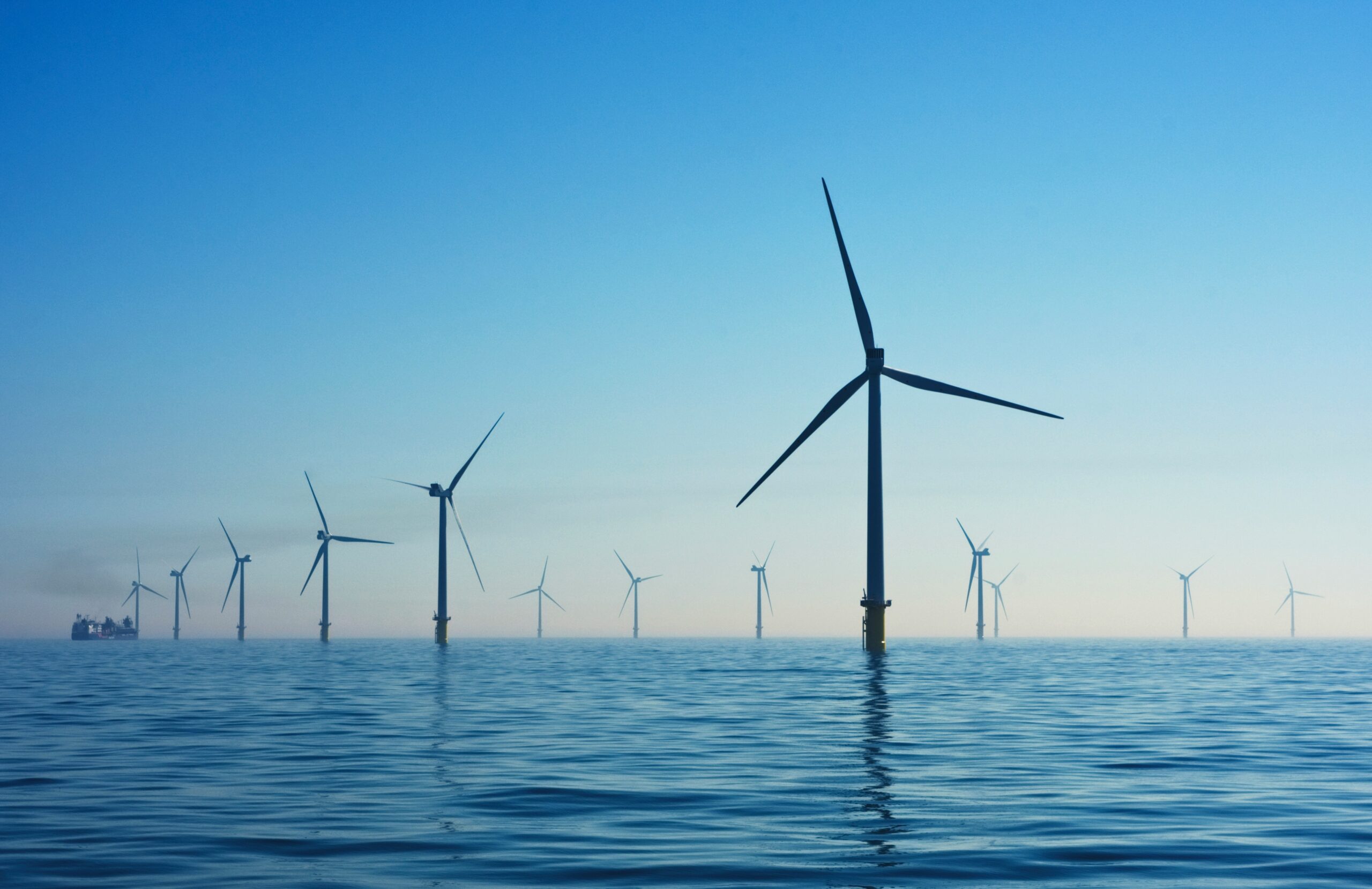
Jan de Nul has secured a contract with Synera Renewable Energy (SRE) to install export cables for Taiwan’s Formosa 4 offshore wind farm, set to provide electricity to approximately 500,000 households. This project marks a significant milestone in Taiwan’s expanding offshore wind sector, underscoring the country’s position as a leading player in Asia’s renewable energy sector.
By combining advanced wind energy systems with AI in wind turbine operations, Formosa 4 integrates digital innovation and renewable energy, improving efficiency, reliability, and environmental performance. This Taiwan offshore wind farm demonstrates how modern engineering and technology can deliver large-scale sustainable power while supporting Taiwan’s net-zero energy goals.
Export Cable Installation – Engineering and Impact
The Formosa 4 project involves the installation and protection of 60 kilometers of submarine HVAC export cables, which will link the offshore turbines to Taiwan’s mainland grid. Positioned 20 kilometers off Miaoli County, the wind farm will host 35 turbines generating 495 MW, enough to supply power to nearly half a million households.
Installing submarine cables at this scale requires careful consideration of seabed conditions, marine ecosystems, and cable protection. By deploying the cable-laying vessel Willem de Vlamingh, Jan de Nul ensures precise, safe, and environmentally sensitive installation.
Beyond Formosa 4, Jan de Nul is also contracted for Formosa 6 and is involved in Greater Changhua 2B and 4, as well as preparing for Fengmiao 1. The company’s continuous presence in Taiwan highlights both its technical expertise and Taiwan’s strategic reliance on experienced international contractors to support rapid offshore wind development.
Jan de Nul’s role in Taiwan’s offshore wind growth
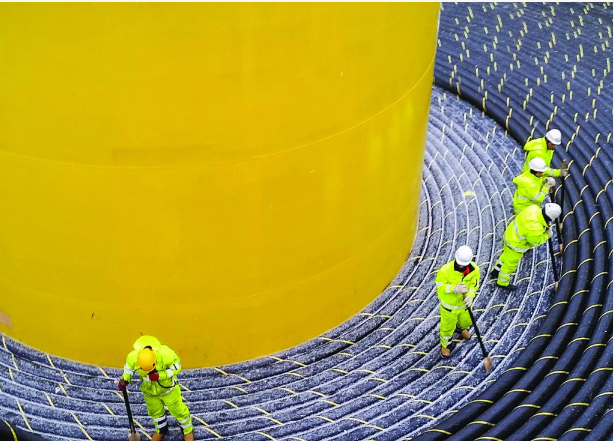
Active in Taiwan since 1990, Jan de Nul has been supporting the development of offshore wind energy since its inception in 2017. According to Wouter Vermeersch:
“We have successfully delivered several fully operational wind farms through large EPCI contracts, undertaking the entire project from design and procurement to construction and installation. We have played a leading role in supporting Taiwan’s path to net-zero emissions by 2050.”
Taiwan has rapidly increased its offshore wind capacity to more than 3 gigawatts, generated by 374 turbines, placing the country in seventh place globally. With ongoing projects, Taiwan is expected to overtake Belgium this year to reach sixth place. By 2030, the country aims to exceed 13 gigawatts of offshore wind capacity.
Project Summary
| Feature | Details |
|---|---|
| Additional Projects | Formosa 6, Greater Changhua 2B & 4, Fengmiao 1 |
| Location | 20 km off Miaoli County, Taiwan |
| Developer | Synera Renewable Energy (SRE) |
| Contractor | Jan de Nul (export cable installation) |
| Capacity | 495 MW |
| Turbines | 35 |
| Cable | 60 km submarine HVAC export cable |
| Construction Period | 2026–2027 |
| Vessel | Willem de Vlamingh (cable-laying vessel) |
| Power Supply | ~500,000 households |
Advantages
- Strengthening Taiwan’s Renewable Energy Infrastructure: Supports rapid offshore wind growth.
- Technological Leadership: Demonstrates Jan de Nul’s expertise in submarine cable installation.
- International Collaboration: Boosts Belgian-Taiwanese cooperation in clean energy.
- Future-Ready: Forms part of a project pipeline extending to 2028, ensuring consistent development.
- Jan de Nulke has been active in Taiwan since 1990 and in offshore wind since2017.
- Taiwan currently ranks 7th globally in terms of offshore wind capacity, which is expected to reach 6th place this year.
- The Jan de Nul Taiwan project will strengthen Belgian-Taiwanese cooperation in renewable energy.
Conclusion – Powering a Low-Carbon Future
The Formosa 4 offshore wind farm highlights how large-scale engineering, offshore renewable energy, and advanced operational systems can be integrated to deliver tangible environmental and societal benefits. The project will supply reliable electricity to 500,000 households, reduce carbon emissions, and support Taiwan’s goal of 13 GW offshore wind capacity by 2030 and net-zero emissions by 2050.
Beyond energy production, Formosa 4 sets a benchmark for operational efficiency and infrastructure planning in the region, demonstrating how strategic investment in offshore wind can create scalable, sustainable outcomes. Projects like this reinforce Taiwan’s position as a leader in offshore wind development, showcasing the country’s ability to combine innovation, precision engineering, and environmental stewardship at scale.
Frequently Asked Questions (FAQ) – Formosa 4 Offshore Wind Farm
Question 1: Who is responsible for the Formosa 4 Offshore Wind Project?
Answer: Formosa 4 is being developed by Cinere Renewable Energy (SRE), with which Jan de Nulke has a contract to install and secure the export cable.
Question 2: Where is the Formosa 4 Wind Farm located?
Answer: It is located 20 kilometers off the coast of Miaoli County, Taiwan.
Question 3: What is the capacity of Formosa 4?
Answer: The wind farm will have a capacity of 495 MW, generated by 35 turbines, which is enough to power about 500,000 households.
Question 4: How long will it take to install the export cable?
A: Jan de Nul will install and protect the 60 km submarine HVAC export cable.
Question 5: When will construction begin?
Answer: Cable laying will begin in 2026 and continue until 2027.
Question 6: Which vessel will be used to lay the cable?
Answer: The cable-laying vessel Willem de Vlamingh will be deployed to lay the cable.
Question 7: Is Jan de Nul involved in other projects in Taiwan?
Answer: Yes, Jan de Nul is also the preferred contractor for Formosa 6, and is working on Greater Changhua 2B and 4, and preparing Fengmiao 1 for cable laying.
Question 8: What is the significance of this project for Taiwan?
Answer: Formosa 4 contributes to the growth of Taiwan’s offshore wind capacity, which helps the country achieve its goal of 13 gigawatts of emissions by 2030 and a path to net-zero emissions by 2050.

Ismot Jerin is the founder and Editor-in-Chief of WindNewsToday, an independent publication covering offshore wind, renewable energy policy, and clean power markets with an analytical focus on the United States and global energy transition.