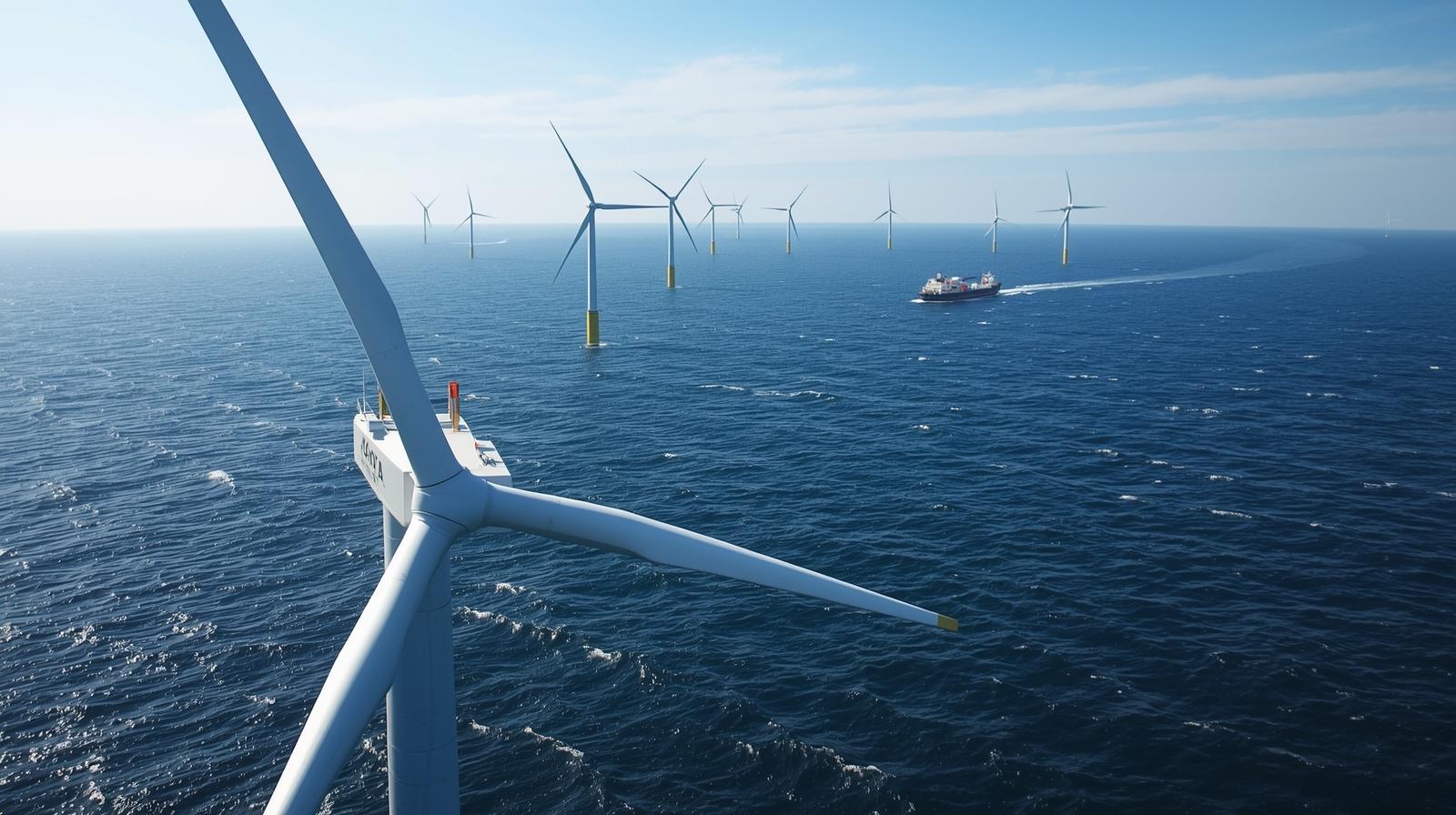
Germany’s renewable energy push has reached another milestone as Energiequelle GmbH begins construction of a new onshore wind farm in Thuringia, located between Werther and Bleicherode. Featuring four next-generation Nordex N163 turbines, the project will generate clean electricity for around 15,000 homes, reduce 37,000 tonnes of CO₂ annually, and strengthen Germany’s progress toward its 2030 renewable energy targets.
More than just turbines, the Energiequelle wind farm reflects a decade of careful planning, local cooperation, and community-driven development—a model increasingly shaping Germany’s clean energy transition.
This project also illustrates how Germany’s onshore wind sector is scaling up alongside offshore developments, supporting both national climate goals and regional energy security.
Read our full breakdown of Germany’s wind energy expansion and national renewable targets.
Table of Contents
Powering 15,000 Homes with Clean Wind Energy
The Energiequelle wind farm in Thuringia will feature four Nordex N163 turbines, each with a hub height of 164 meters and a 6.8 MW capacity. Once operational, the project will deliver renewable electricity to roughly 15,000 households, significantly reducing dependence on fossil fuels. The use of Nordex N163 turbines highlights how modern turbine design improves efficiency, grid stability, and output—an evolution explained in our guide on how next-generation wind turbines increase clean power production.
With estimated annual CO₂ savings of nearly 37,000 tonnes, the project ranks among the most impactful Thuringia wind energy projects currently under development, reinforcing Germany’s national clean power ambitions.
A Decade in the Making—From Permits to Power
Planning for the Werther wind farm began over ten years ago, highlighting the persistence required to navigate Germany’s rigorous permitting process. The formal application under the Federal Immission Control Act (BImSchG) was submitted in November 2022, with final approval granted in September 2024.
Following a successful wind power tender win in April 2025, construction is now moving forward. Groundworks are scheduled for 2026, with full commissioning expected by January 2027. Germany’s strict approval process is part of a broader system designed to balance environmental protection with energy security, which we previously explained in our article on Germany’s wind tender and permitting system.
Voices of Dedication and Optimism
Maria Löther, project manager at Energiequelle GmbH in Erfurt, thanked everyone involved in bringing this long-awaited project to life.
“Both the municipalities and the landowners, as well as our cooperation partners, have shown great patience,” Löther said. “The start of construction marks an important milestone and confirms that our trust in the project has paid off.”
The Thuringia wind energy project was developed in close partnership with local organizations Helmetal eG and FEUER powerair GmbH to ensure community interests are central to this green initiative.
Hans-Jürgen Weidt, Chairman of the Supervisory Board of Helmetal eG, shared this enthusiasm:
“Revenue from the wind farm will help refinance a community wind turbine and allow local citizens to benefit from the growth of wind energy in Thuringia.”
Strengthening local communities in Thuringia
The Werther Wind Farm seeks to empower rural communities in addition to producing turbines and megawatts. The project guarantees direct benefits for Germany’s energy transition by reinvesting wind revenues locally. The secret to long-term support for German renewable energy expansion is this strategy, which blends private investment and public involvement.
Energiequelle’s Growing Footprint in Germany
The Werther project marks Energiequelle’s second major wind development in Thuringia, following the Sommerda wind farm. With additional projects planned for 2026, the company is strengthening its role in Germany’s onshore wind sector.
Energiequelle’s expansion mirrors a wider trend among European developers, many of whom are scaling both onshore and offshore assets, as highlighted in our coverage of major wind developers expanding across Europe.
Quick Summary — Energiequelle Wind Farm Germany
Impact: Boosts Germany’s renewable energy expansion
Location: Werther & Bleicherode, Thuringia
Turbines: 4 × Nordex N163 (6.8 MW each)
Homes Powered: ~15,000
CO₂ Reduction: ~37,000 tonnes/year
Timeline: 2025–2027
Partners: Helmetal eG, FEUER powerair GmbH
Conclusion
The Energiequelle wind farm in Germany is more than another onshore renewable development — it represents what’s possible when long-term planning, advanced turbine technology, and strong community partnerships come together. From supplying clean electricity to 15,000 households to reducing nearly 37,000 tonnes of CO₂ emissions each year, the Thuringia wind farm demonstrates how regional projects can achieve a national impact.
Equally important, the project highlights how local communities can directly benefit from the energy transition through shared revenues, cooperative involvement, and long-term economic resilience. As Energiequelle expands its footprint across Germany, initiatives like this are helping turn climate ambition into real-world progress.
Projects like this also support Germany’s long-term clean energy goals and renewable growth trends — as seen in recent updates, such as Germany’s Gnutz wind farm, which powers over 16,000 homes.
With construction underway and commissioning expected by 2027, the Energiequelle wind farm stands as a clear signal that Germany’s renewable future is not just planned — it is already being built.
faq
Q: Where is the new Energiequelle wind farm located?
A: The wind farm is in Thuringia, Germany, between Werther and Bleicherode, supporting local energy supply and community development.
Q: How much energy will the project produce?
A: With four Nordex N163 turbines, the project will generate enough electricity to power approximately 15,000 homes annually.
Q: What is the environmental impact of this wind farm?
A: The project will reduce 37,000 tonnes of CO₂ emissions each year, contributing to Germany’s 2030 renewable energy targets.
Q: How does this project fit into Germany’s renewable energy strategy?
A: It reflects Germany’s broader push for onshore wind expansion alongside offshore projects, supporting clean energy growth, energy security, and long-term climate goals.
Q: Who benefits from the Energiequelle wind farm?
A: Local communities, utilities, and regional energy planners benefit from clean electricity, local investment, and sustainable development.

Ismot Jerin is the founder and Editor-in-Chief of WindNewsToday, an independent publication covering offshore wind, renewable energy policy, and clean power markets with an analytical focus on the United States and global energy transition.