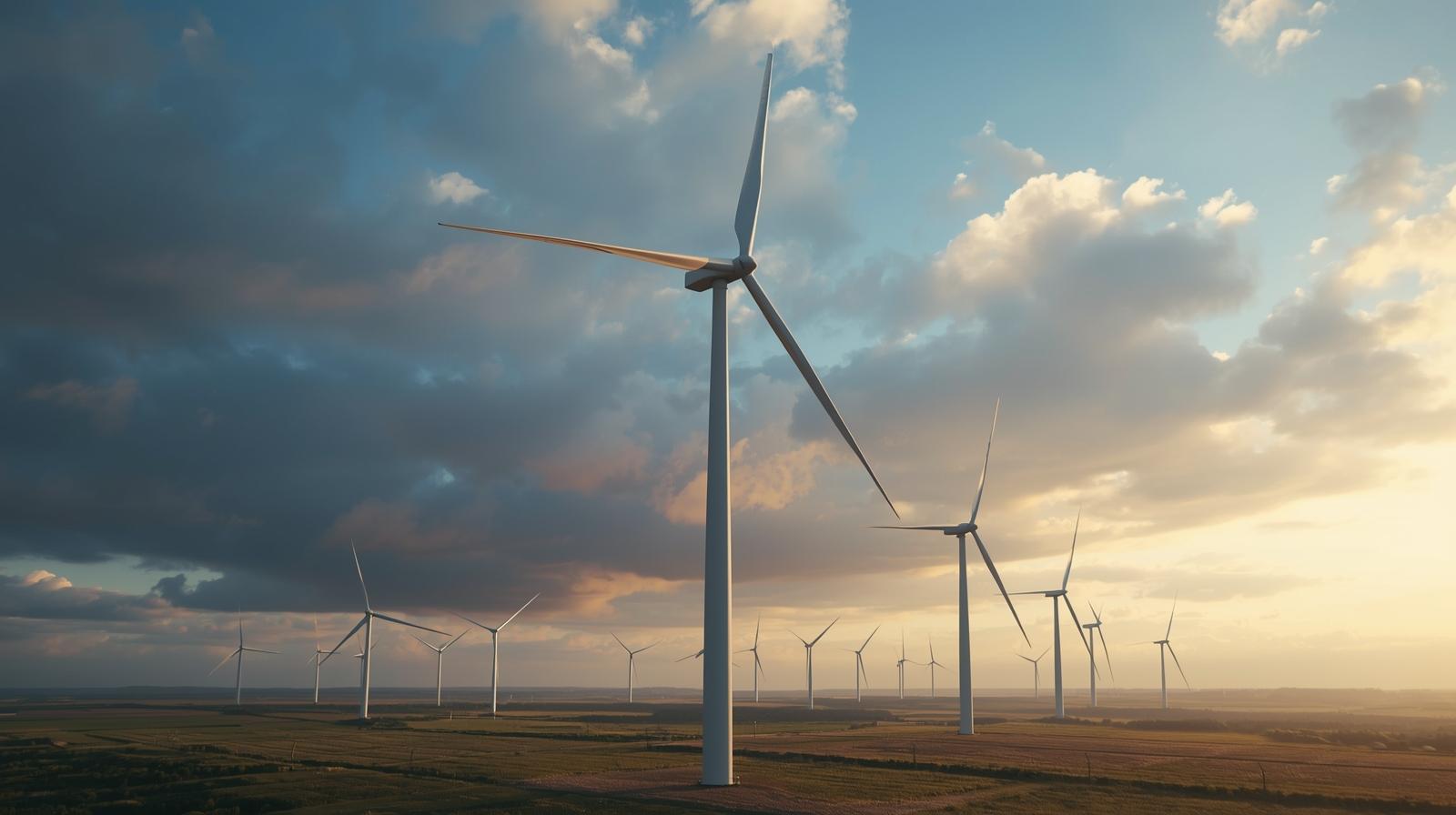
Amazing finding: Wind power UK has saved consumers £104 billion since 2010
Here’s something to celebrate: a new study by University College London (UCL) has found that wind power in the UK has saved consumers an incredible £104 billion over the past 13 years.
That’s right—from 2010 to 2023, Britain’s investment in clean, indigenous wind power has paid off massively, with gas and electricity prices falling dramatically.
A UCL wind power study shows that wind power has saved electricity bills by £14.2 billion and natural gas prices by £133.3 billion. And astonishingly, after paying out £43.2 billion in green subsidies, the country is celebrating being £104.3 billion ahead—a significant win for the UK, both for the economy and the environment.
Needless to say, in the 13 years between 2010 and 2013, the UK’s wind power capacity grew from just 5 terawatt-hours (TWh) to 80 TWh, accounting for almost 30% of total electricity generation. This has driven gas generators out of the market and directly reduced electricity prices for millions of customers.
Wind power UK: From humble beginnings to national power
In 2010, the UK was generating just 5 terawatt-hours (TWh) of wind power. In 2023, this figure is expected to grow to 80 TWh, providing around 30% of the country’s clean electricity on the national grid.
Researchers argue that this rapid growth has not only boosted clean electricity—showing the world that clean power is not just a fantasy—it has also pushed gas generators out of the market forever, reducing pressure on demand for one of the world’s most important fuels and lowering prices for both households and businesses.
Lead author Colm O’Shea, from UCL Geography, put the finding in perspective:
“Far from being a financial burden, this study shows how wind power has consistently delivered substantial financial benefits to the UK. This £104 billion net benefit is more than the £90 billion extra the UK has spent on gas since the war in Ukraine in 2021.”
Next, rather than focusing on short-term subsidies or market fluctuations, the study shows how wind power has reshaped the UK’s entire energy landscape—from delivering sustainability, affordability, and security. The researchers argue that wind power should be considered a public good, like roads or schools, where shared government support leads to national prosperity.
“Energy transition is not an expensive environmental luxury,” the authors write. “It is a sound financial investment that strengthens our economy while protecting our planet.”
Experts agree: It’s time to reward renewables
Professor Mark Maslin, co-author and leading climate scientist at UCL, believes the time has come for market reform:
“The UK government needs to double the price of gas and electricity. Gas should follow the global market, while electricity prices should reflect real savings from wind and solar.”
Anna Musat, policy director at RenewableUK, highlighted the importance of homegrown renewables:
“The only way to sustainably reduce energy costs is to reduce our exposure to volatile global fossil fuel prices and increase clean, domestic electricity generation.”
Their message is clear: wind power is not just good policy—it’s smart economics. Meanwhile, Will Glover of Gowling WLG sees this finding as a wake-up call for policymakers:
“This research reinforces the case for accelerating renewable investment. The scale of savings highlights the strategic value of wind power—not just for energy security, but for financial stability.”
Professor Christopher Vogel of the University of Oxford has another impressive piece of information:
UK wind power turbines pay for their production and installation in just 12-24 months and continue to generate clean electricity for up to 25 years—a return on investment that most industries can only dream of.
Wind Power UK’s journey is an incredible tale of foresight, creativity, and enduring influence. Wind power has completely changed the UK energy market landscape in just over ten years, demonstrating that renewable energy sources do more than just power homes; they also reduce costs, generate employment, and ensure a cleaner future.
What happens when a nation commits entirely to wind power?
Here’s a powerful answer from the story of Wind Power UK — a country that has built on ambition, innovation and real-world evidence of rewards.
In just over a decade, the UK has transformed its energy system, built on its trust, built on its commitment and today shows the world how renewable energy can reduce costs, create green jobs and strengthen energy independence. The result has been savings of more than £104 billion for UK consumers since 2010 — a milestone that is reshaping energy thinking globally.
Why does it matter now?
Because Wind Power UK’s success is not just a national achievement — It is a message and a lesson for a global community. The thought-provoking question is if the UK can save billions by embracing wind power, what could the US, Germany or Japan achieve with a similarly bold commitment to clean, indigenous energy?

Ismot Jerin is the founder and Editor-in-Chief of WindNewsToday, an independent publication covering offshore wind, renewable energy policy, and clean power markets with an analytical focus on the United States and global energy transition.
Thank you for your sharing. I am worried that I lack creative ideas. It is your article that makes me full of hope. Thank you. But, I have a question, can you help me? https://accounts.binance.com/vi/register?ref=MFN0EVO1
Your article helped me a lot, is there any more related content? Thanks!