
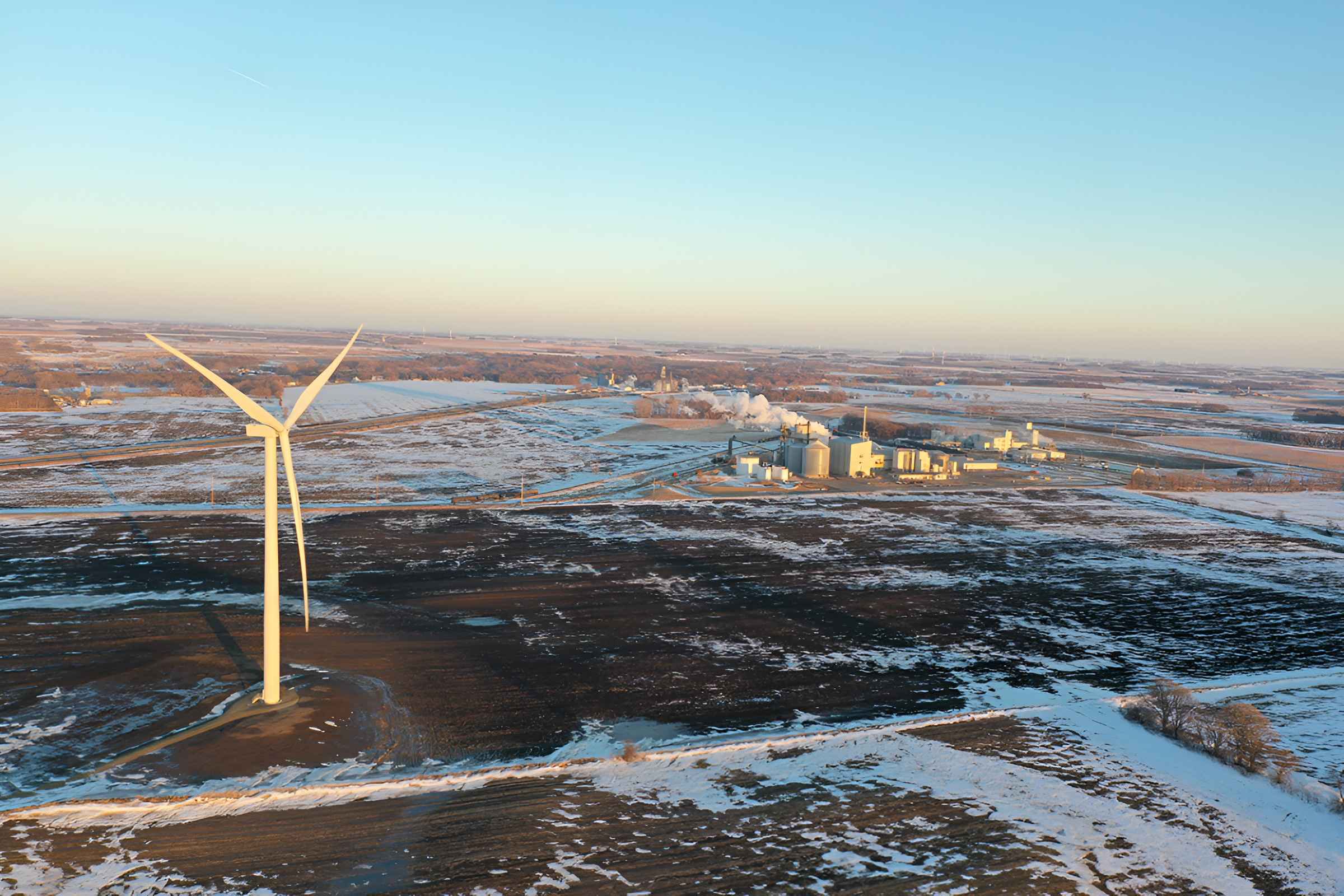
Offshore wind projects are often judged by the turbines that reach the horizon, but long before construction begins, they are shaped by policy decisions made in government offices, regulatory agencies, legislatures, and courts.
At WindNewsToday, our Policy section examines the laws, regulations, permitting processes, and political decisions that influence the future of offshore wind in the United States. Rather than following political debate for its own sake, our reporting focuses on how public policy affects project development, investment confidence, electricity infrastructure, and the pace of renewable energy deployment.
Policy is one of the industry’s biggest variables. A leasing programme can open entirely new development areas, while changes to permitting rules, tax incentives, environmental regulations, or transmission planning can reshape investment decisions across the sector. Understanding these developments requires more than reading official announcements—it requires explaining how they interact with markets, infrastructure, and long-term energy strategy.
This section brings those connections together, providing readers with the context needed to understand not only what has changed, but why those changes matter.
What You’ll Find in Our Policy Coverage
Our Policy section follows the regulatory and political framework surrounding offshore wind and the wider energy transition. We analyse the decisions that influence how projects move from planning to construction and, ultimately, into commercial operation.
Coverage includes federal and state leasing programmes, permitting reforms, environmental reviews, energy legislation, tax credits, domestic content requirements, transmission policy, electricity market regulation, and government initiatives affecting offshore wind development.
We also examine the role of agencies responsible for offshore energy management, environmental oversight, grid planning, and maritime regulation. Their decisions often determine project timelines, development costs, and investor confidence long before construction begins.
Policy analysis also extends beyond legislation. Court rulings, administrative decisions, public consultations, executive actions, and regulatory guidance can all influence how the industry evolves. Our goal is to explain these developments in practical terms and place them within the broader context of the offshore wind market. Explore our Offshore Wind Project Analysis to see how policy decisions influence individual projects. Visit our Market section to understand how regulation and investment often move together.
Why Policy Matters
Offshore wind is one of the most highly regulated forms of energy infrastructure. Every project must navigate a complex process involving environmental assessments, permitting, leasing, financing, transmission planning, and coordination between multiple public authorities.
As a result, policy affects far more than compliance. It influences project economics, investment certainty, manufacturing decisions, workforce planning, and the long-term competitiveness of the industry.
For developers, predictable regulation can reduce uncertainty and improve access to financing. For manufacturers, clear industrial policy can support investment in domestic factories and supply chains. Utilities depend on stable procurement frameworks when planning future electricity generation, while investors often evaluate regulatory certainty alongside commercial risk.
Policy also shapes broader national objectives, including energy security, emissions reduction, electricity reliability, industrial development, and economic competitiveness. Decisions made today can influence infrastructure investment for decades.
Rather than viewing regulation as a separate topic, our coverage examines how policy intersects with the commercial, technical, and operational realities of offshore wind.
Connecting Policy With Markets, Technology and Projects
Policy does not operate in isolation. Every major offshore wind development reflects a combination of regulation, economics, engineering, infrastructure, and electricity demand.
Changes in tax incentives may improve project economics. Updated permitting rules can accelerate—or delay—construction schedules. Manufacturing incentives may encourage domestic investment, while transmission policy can determine whether new renewable generation can reach consumers efficiently.
Technological progress is also influenced by public policy. Government research programmes, demonstration projects, and innovation funding have supported advances in floating offshore wind, larger turbines, digital monitoring, and next-generation grid infrastructure.
For these reasons, the Policy section complements every other editorial area across WindNewsToday.
Readers interested in commercial trends can continue into our Market coverage. Those following construction activity can explore detailed project analysis. Infrastructure articles examine ports, vessels, manufacturing, and supply chains, while our Future Outlook section considers how today’s policy decisions could influence tomorrow’s energy system.
Together, these sections provide a broader understanding of the offshore wind industry as an interconnected network of policy, markets, technology, infrastructure, and project development.
Our Editorial Approach
WindNewsToday’s policy analysis is based on publicly available information, including legislation, regulatory filings, agency publications, government reports, consultation documents, court decisions, company disclosures, and official announcements. Where appropriate, we compare multiple sources to explain how policy developments may affect offshore wind projects and the wider energy industry.
Our objective is to provide balanced, evidence-based analysis rather than advocate for particular political positions, companies, or technologies. We distinguish factual reporting from editorial interpretation and update evergreen content as policies, regulations, and market conditions evolve. Learn more about our Editorial Policy. Read our Methodology to understand how we research and verify our reporting. Discover the mission behind About WindNewsToday.
Continue Exploring Our Policy Analysis
The future of offshore wind will depend not only on engineering innovation and private investment, but also on the policy decisions that shape permitting, leasing, infrastructure, electricity markets, and industrial development.
Our Policy section follows these developments with long-term analysis designed to explain how government decisions influence the wider offshore wind industry. Whether you are tracking regulatory reform, federal leasing, environmental policy, or state-level initiatives, this section provides a starting point for deeper analysis across WindNewsToday.